Category: Gut-Brain Axis
-
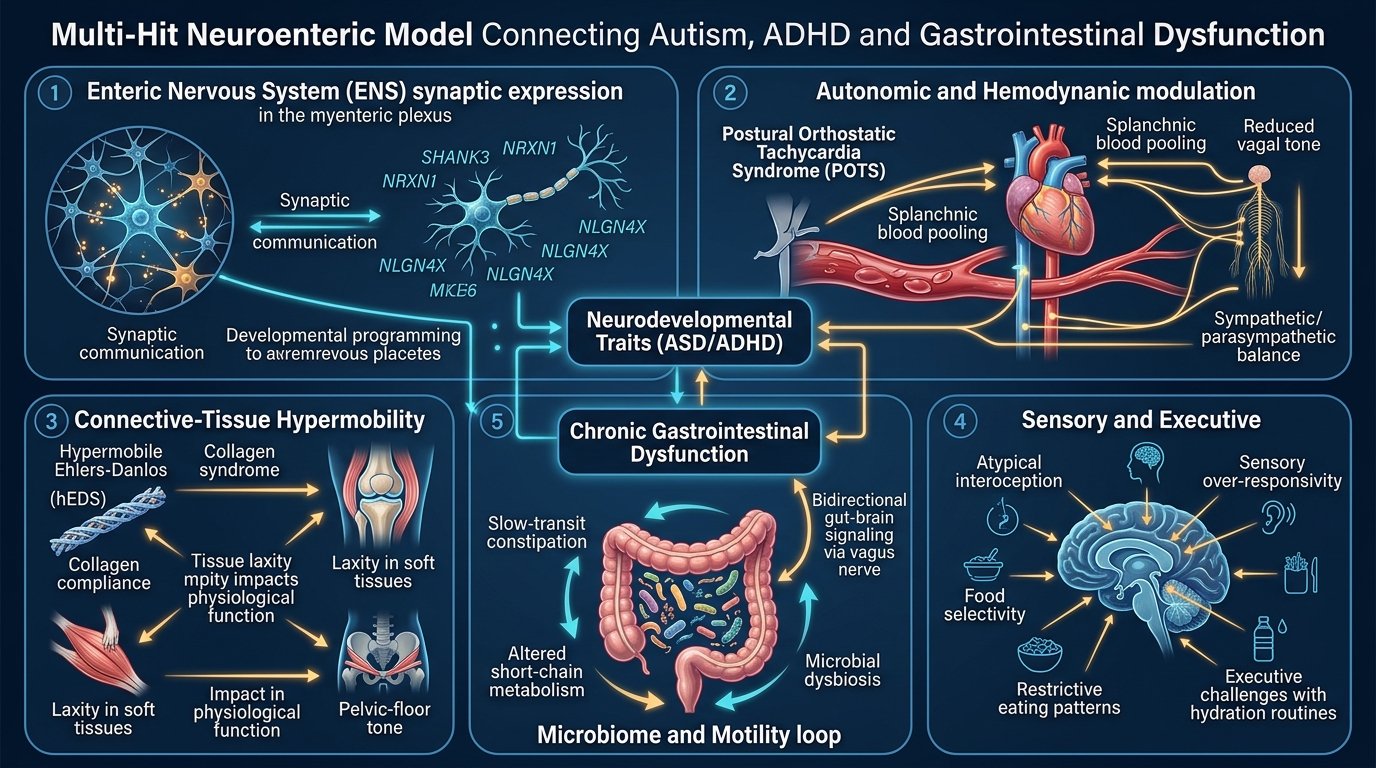
Neurodivergence & Gut Dysfunction: The Science of ADHD, Autism, Enteric Neurons, and GI Motility
For years, individuals with autism and attention-deficit/hyperactivity disorder (ADHD) who experience chronic gastrointestinal distress have faced a frustrating clinical dilemma. Too often, persistent constipation, abdominal pain, bloating, and dysmotility are dismissed as “purely behavioral,” blamed on generalized anxiety, or conversely attributed to sensationalized, unproven claims of an exotic “autism microbiome.” In modern neurogastroenterology, groundbreaking multi-omic…
-
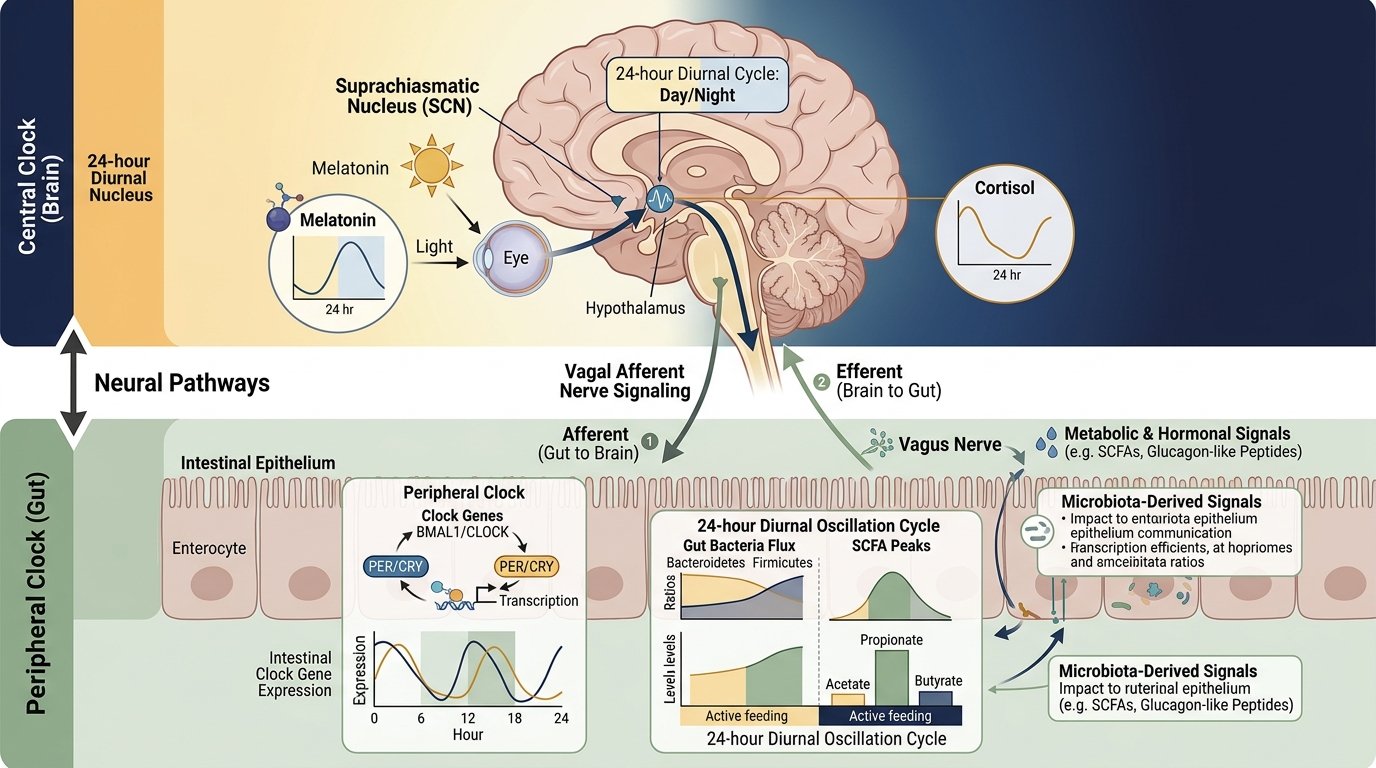
Sleep Circadian Microbiome
If you struggle with restless nights, fragmented sleep, or midnight cravings, the root disruption may not originate entirely in your brain. Groundbreaking gastrointestinal and chronobiological research demonstrates that your gut microbiome operates on its own 24-hour circadian clock1,2. When aligned, your microbial ecosystem synthesizes the critical neurochemical precursors for melatonin, reinforces the intestinal barrier, and…
-
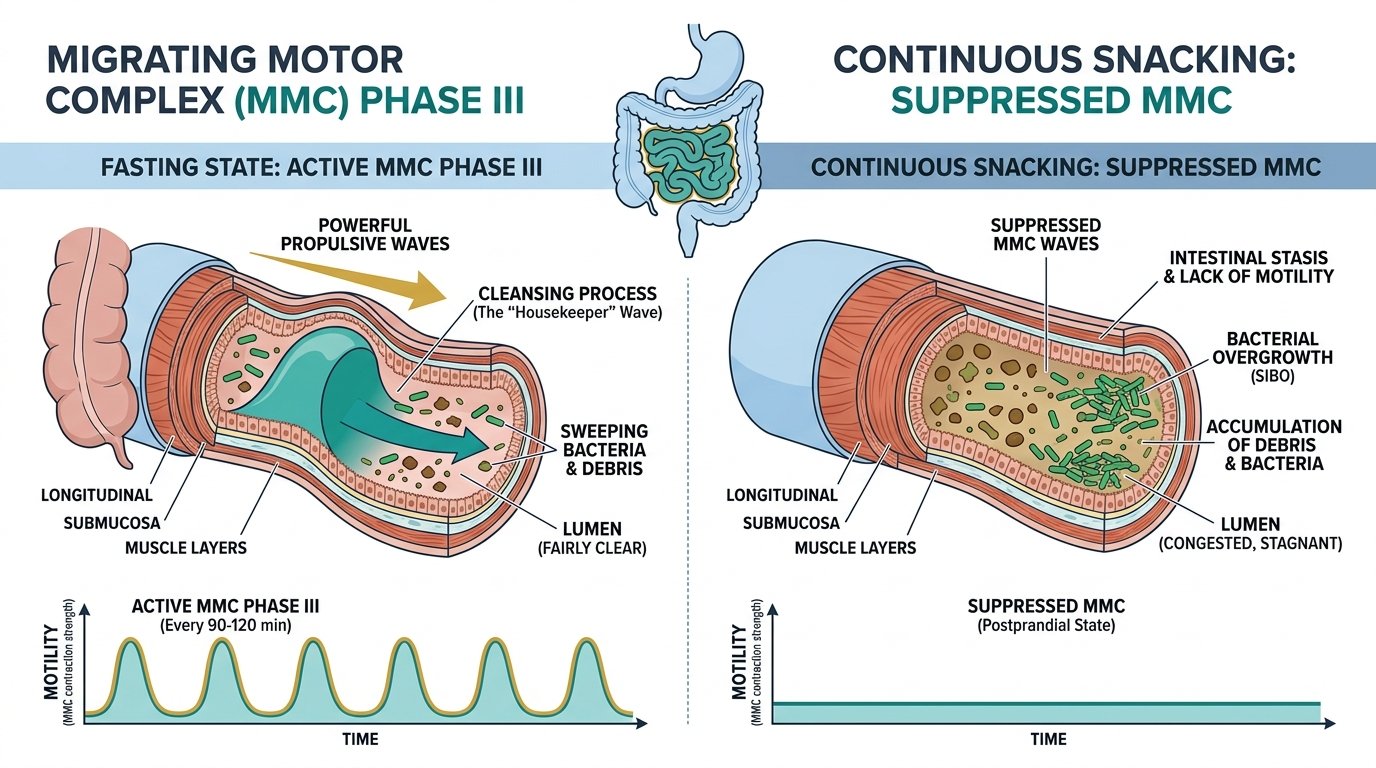
Physical Movement, Gut Motility, Migrating Motor Complex (MMC) & Vagal Tone
Modern sedentary lifestyles have introduced a silent crisis in gastrointestinal physiology: sluggish gut motility, chronic bloating, and intestinal stasis. While dietary composition receives substantial attention, the mechanical and nervous system cues driven by physical movement play an indispensable role in maintaining intestinal transit time and activating the body’s natural digestive sweeping mechanisms. The Physiology of…
-
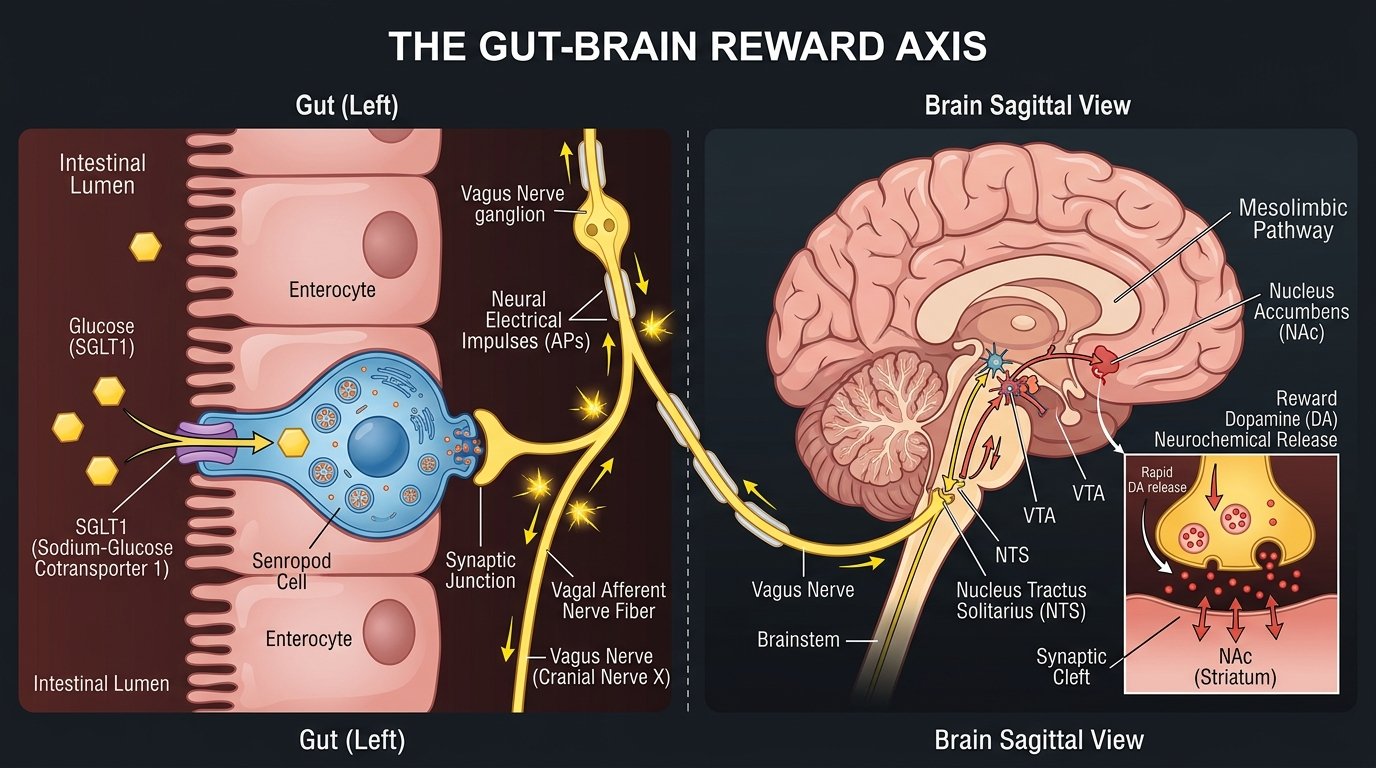
Sugar Cravings, Gut Dopamine Signaling & Reward Pathway Dysbiosis
Intense sugar and hyper-palatable food cravings are frequently misattributed to a personal failure of willpower or psychological self-discipline. However, cutting-edge neurobiological and gastroenterological research reveals that sugar cravings are primarily driven by sub-second neural circuits operating between sensory cells in the upper gastrointestinal tract and dopaminergic reward centers in the brain. Neuropod Cells: The Fast…
-
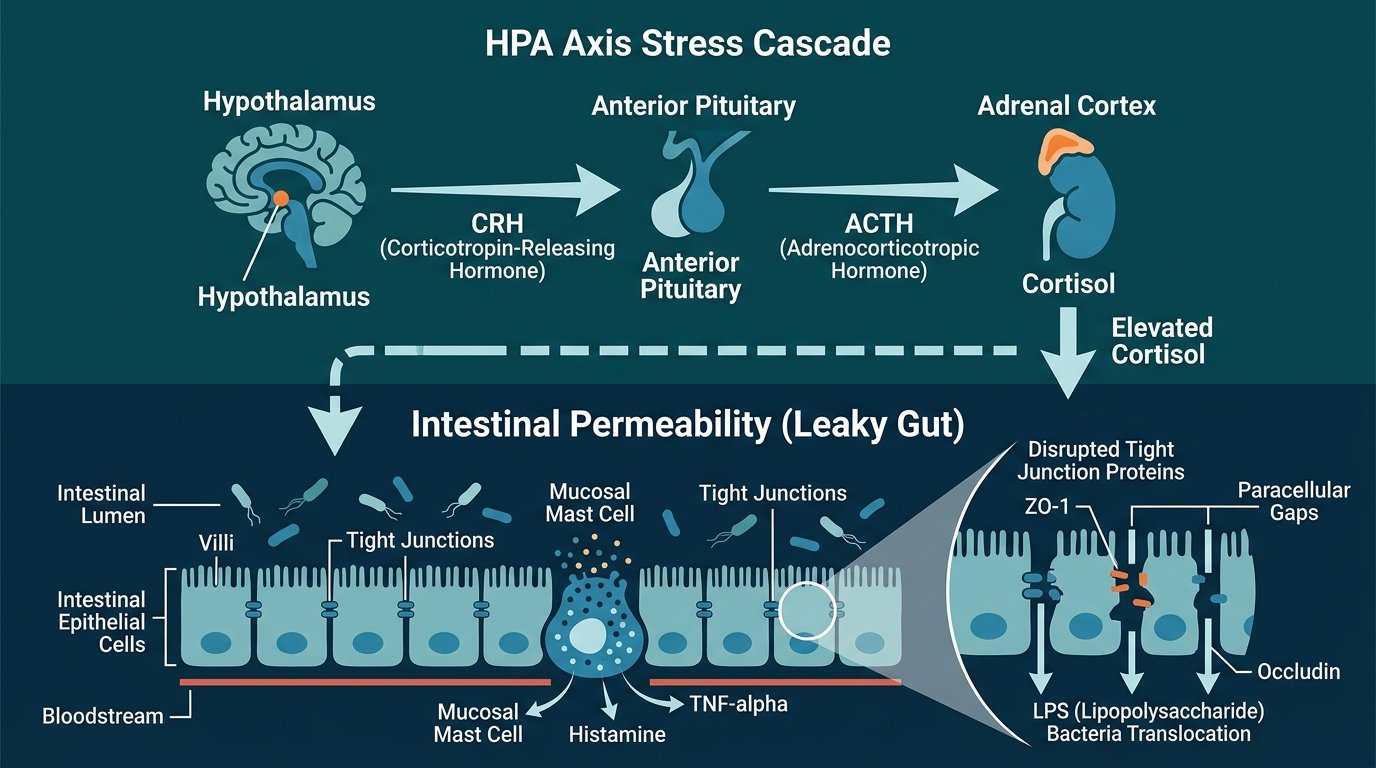
Psychological Stress, Vagus Nerve Signaling, and Microbiome Permeability
Chronic psychological stress is more than a mental burden—it is a powerful physiological catalyst that restructures the intestinal microenvironment. When the central nervous system perceives persistent threat, it initiates a neuroendocrine cascade via the Hypothalamic-Pituitary-Adrenal (HPA) axis.1 This hormonal flux degrades tight junction protein complexes holding the intestinal epithelium together, leading to mucosal barrier impairment…
-
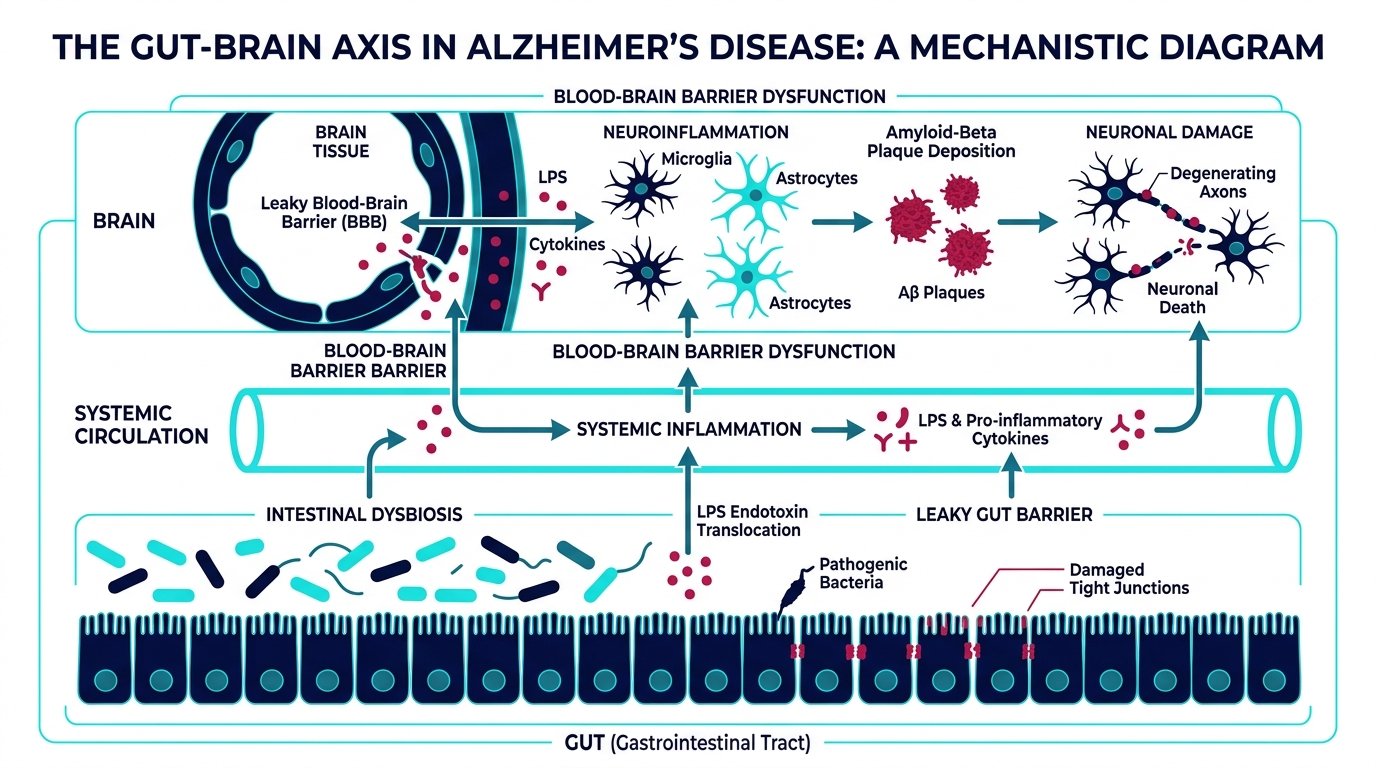
Alzheimer’s Disease and the Gut Microbiome Axis
For decades, Alzheimer’s disease (AD) was viewed almost exclusively through a brain-centric lens—a neurodegenerative condition characterized by the silent accumulation of amyloid-beta (Aβ) plaques and hyperphosphorylated tau neurofibrillary tangles. However, a growing paradigm shift in neurogastroenterology reveals that cognitive decline does not begin in isolation within the brain. It is deeply connected to the trillion-microbe…
-
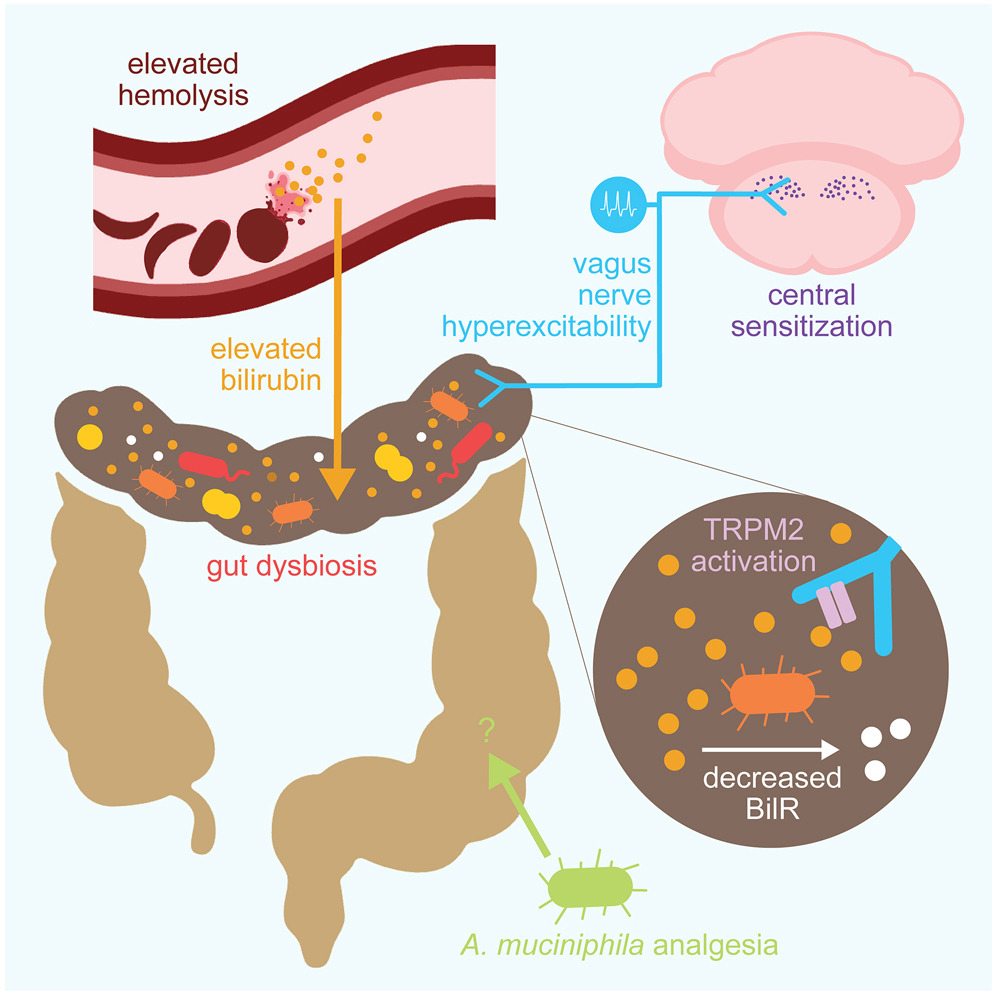
Understanding the Link Between Chronic Sickle Cell Pain and Gut Microbial Imbalance
Introduction Chronic pain is a significant challenge for many individuals with sickle cell disease. This genetic disorder affects the shape and function of red blood cells. A team at The University of Texas at Dallas recently conducted research. It has shed light on a fascinating connection between chronic sickle cell pain and the gut microbiome.…
-

The American Dream: Thoughts from modern living
It’s not just my weight. Or that I get tired sometimes. Or maybe that it’s all the time now. Or how I feel. From time to time. Or maybe it’s all the time, now. It’s not just my genetics. It’s not just in my head. It just hurts to get out of bed. I ate…
-
GutBrain: Recover from Modern Living and Optimize Your Health
Discover the power of the GutBrain connection to optimal health! Join us to explore the complexities of modern living and the American diet! Disclaimer: GutBrain does not offer medical care or medical advice. Ever. GutBrain provides information to share and discuss with your private physician and medical care providers. Medical Disclaimer: The educational and informational…